How to Lower Your Home Electric Bill Year Round: A Complete Guide for 2026
Reading time: 12 minutes
Your electricity bill arrives, and you wince. Sound familiar? In 2026, the average American household spends approximately $1,650 annually on electricity — a figure that has climbed steadily over the past three years due to grid infrastructure upgrades, rising energy demand, and fluctuating fuel costs. But here’s the thing: a significant chunk of that spending is entirely preventable.
This isn’t about turning off every light and suffering through summer heat. It’s about smart, strategic adjustments that compound over time — the kind of changes that slash your bill without slashing your comfort. Whether you’re renting a studio apartment or owning a four-bedroom home, this guide gives you a practical roadmap to real savings.
Let’s dive in.
Table of Contents
- Understanding Your Electric Bill First
- Heating and Cooling: The Big Kahuna
- Appliances and Phantom Loads
- Lighting and Electronics
- Seasonal Strategies That Actually Work
- Energy Usage by Category
- Appliance Efficiency Comparison
- Frequently Asked Questions
- Your Year-Round Energy Savings Roadmap
Understanding Your Electric Bill First
Before you can fix a problem, you need to understand it. Most people glance at the total amount due and move on — but your electricity bill is packed with information that can transform your savings strategy.
Breaking Down the Numbers
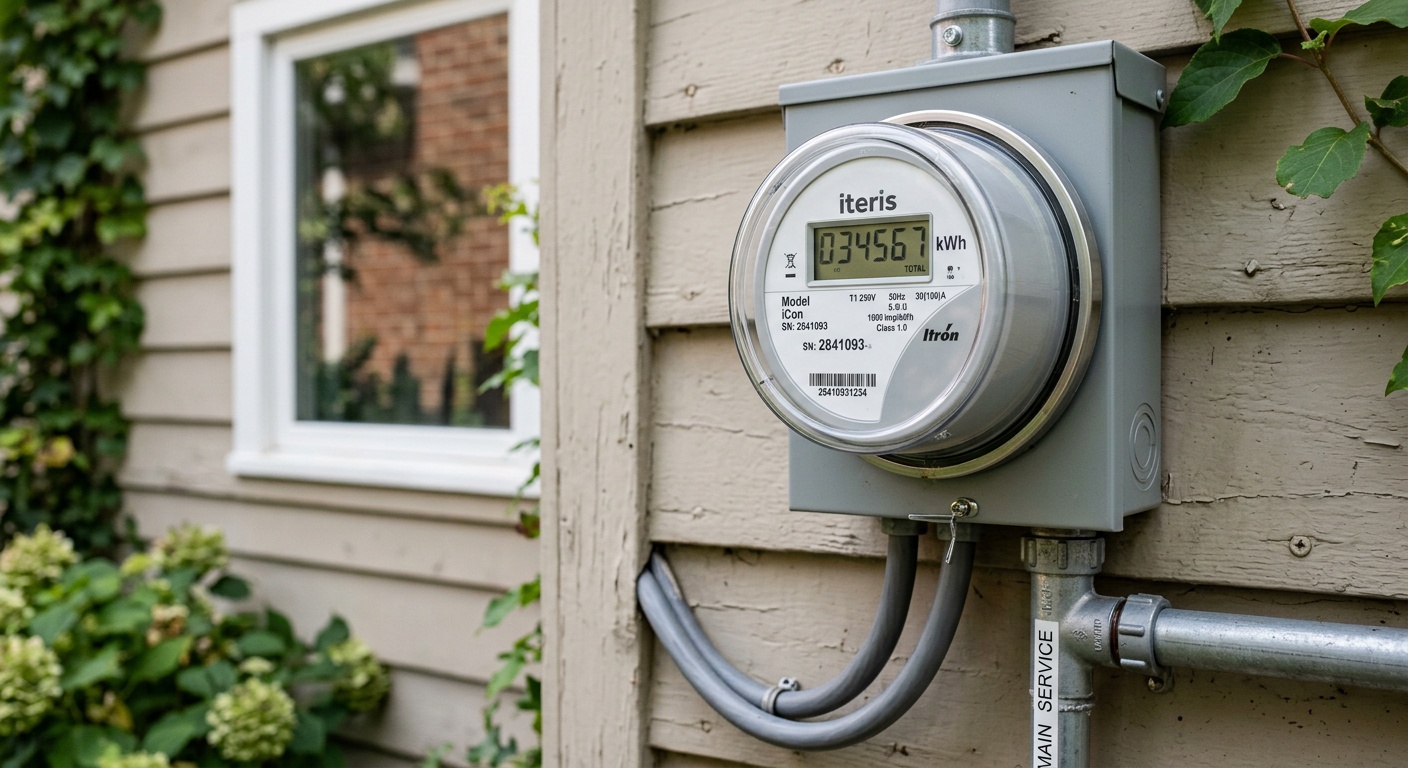
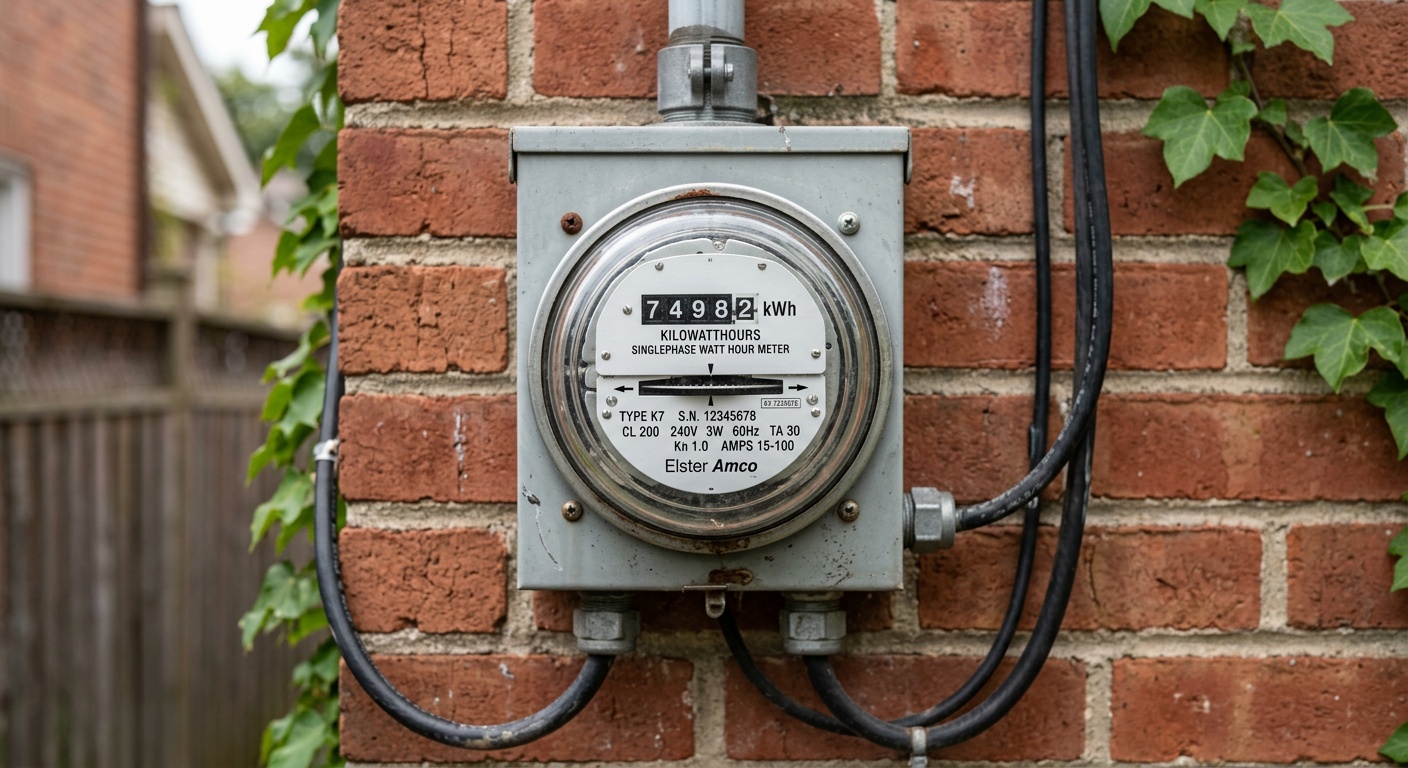
Your bill is typically divided into several components: energy charges (the actual kilowatt-hours you consumed), delivery charges (what it costs to get that electricity to your home), and various taxes and fees. In 2026, delivery charges in many states now account for 35–45% of the total bill — costs you can’t reduce by simply using less power.
What you can control is your kilowatt-hour (kWh) consumption. The national average residential electricity rate in 2026 sits around 16.8 cents per kWh, though states like Hawaii (37 cents) and California (28 cents) push that average upward considerably. Understanding your per-kWh rate helps you calculate the exact return on every efficiency investment you make.
Pro Tip: Log in to your utility’s online portal and download 12 months of usage history. Most major utilities now offer this as a free feature, and it lets you spot seasonal spikes and set realistic reduction targets.
Time-of-Use Rates: The Hidden Opportunity
Many utilities now offer Time-of-Use (TOU) pricing, where electricity costs more during peak hours (typically 4–9 PM on weekdays) and less during off-peak hours. In 2026, over 60% of U.S. utilities offer some form of TOU plan. If your schedule allows flexibility — running your dishwasher at 10 PM, doing laundry on Sunday morning — switching to a TOU plan can save 15–25% on its own.
A programmable thermostat is one of the most powerful tools for taking advantage of TOU pricing, because it automatically adjusts your HVAC system around the clock based on schedules you set — no willpower required.
Heating and Cooling: The Big Kahuna
Heating and cooling account for roughly 45–50% of the average home’s total energy use. No other category comes close. This is where your biggest wins live, and even modest improvements here will outpace anything you do with lightbulbs or unplugging phone chargers.
Smart Thermostat Strategies
The U.S. Department of Energy estimates you can save up to 10% per year on heating and cooling simply by turning your thermostat back 7–10°F for 8 hours a day. A smart or programmable thermostat automates this entirely.
Consider the case of Marcus and Diane, a couple in Phoenix, Arizona. In early 2025, they installed a learning thermostat in their 1,800-square-foot home. By the end of the first year, their cooling costs dropped by $312 — just from optimized scheduling and the device’s ability to detect when they were away from home. Their total upfront investment: $189.
Key thermostat strategies to implement right now:
- Summer: Set to 78°F when home, 85°F when away, 82°F when sleeping
- Winter: Set to 68°F when home, 60°F when away, 65°F when sleeping
- Enable “away mode” geofencing if your smart thermostat supports it
- Use fan-only mode on mild days to circulate air without running the compressor
Sealing the Envelope: Insulation and Air Leaks
Your HVAC system can’t save you money if your home leaks like a sieve. Air leaks around windows, doors, attic hatches, and electrical outlets can account for 25–40% of heating and cooling losses, according to the EPA’s ENERGY STAR program.
Here’s a quick DIY audit: on a windy day, hold a lit incense stick near window frames, door edges, and electrical outlets on exterior walls. If the smoke drifts sideways, you’ve found a leak. Weatherstripping and caulk cost under $30 and can be applied in an afternoon — yet they deliver payback within weeks, not years.
For homeowners willing to invest more: adding attic insulation to recommended R-38 to R-60 levels (depending on climate zone) can reduce heating and cooling costs by 10–50%. The 25C tax credit, extended through 2027 under the Inflation Reduction Act, currently covers 30% of insulation costs up to $1,200 — making this a particularly smart move in 2026.
Rethinking Cooling for Smaller Spaces
Central air conditioning is energy-intensive by design — it cools every room whether you’re using it or not. For bedrooms, home offices, or small apartments, exploring an alternative for ac can deliver meaningful comfort at a fraction of the electrical cost, especially in climates with lower humidity levels where evaporative and personal cooling solutions work efficiently.
Ceiling fans are an often-overlooked tool. They don’t actually lower room temperature, but they create a wind-chill effect that makes a room feel 4–6°F cooler — allowing you to raise the thermostat setting without sacrificing comfort. Remember to reverse the fan direction in winter (clockwise at low speed) to push warm air down from the ceiling.
Appliances and Phantom Loads
Your major appliances — refrigerator, washer, dryer, water heater, dishwasher — together account for roughly 25–30% of your home’s electricity consumption. The good news: behavioral changes and smart upgrades here deliver fast, measurable results.
The Phantom Load Problem
“Phantom loads” or “vampire power” refers to the electricity consumed by devices that are plugged in but not actively being used. In 2026, the average home has 65+ connected devices — smart TVs, gaming consoles, routers, phone chargers, smart speakers — and collectively, these idle devices can account for 10–15% of your annual electricity bill.
The simplest solutions:
- Use smart power strips that automatically cut power to peripheral devices when the primary device (like a TV) is turned off
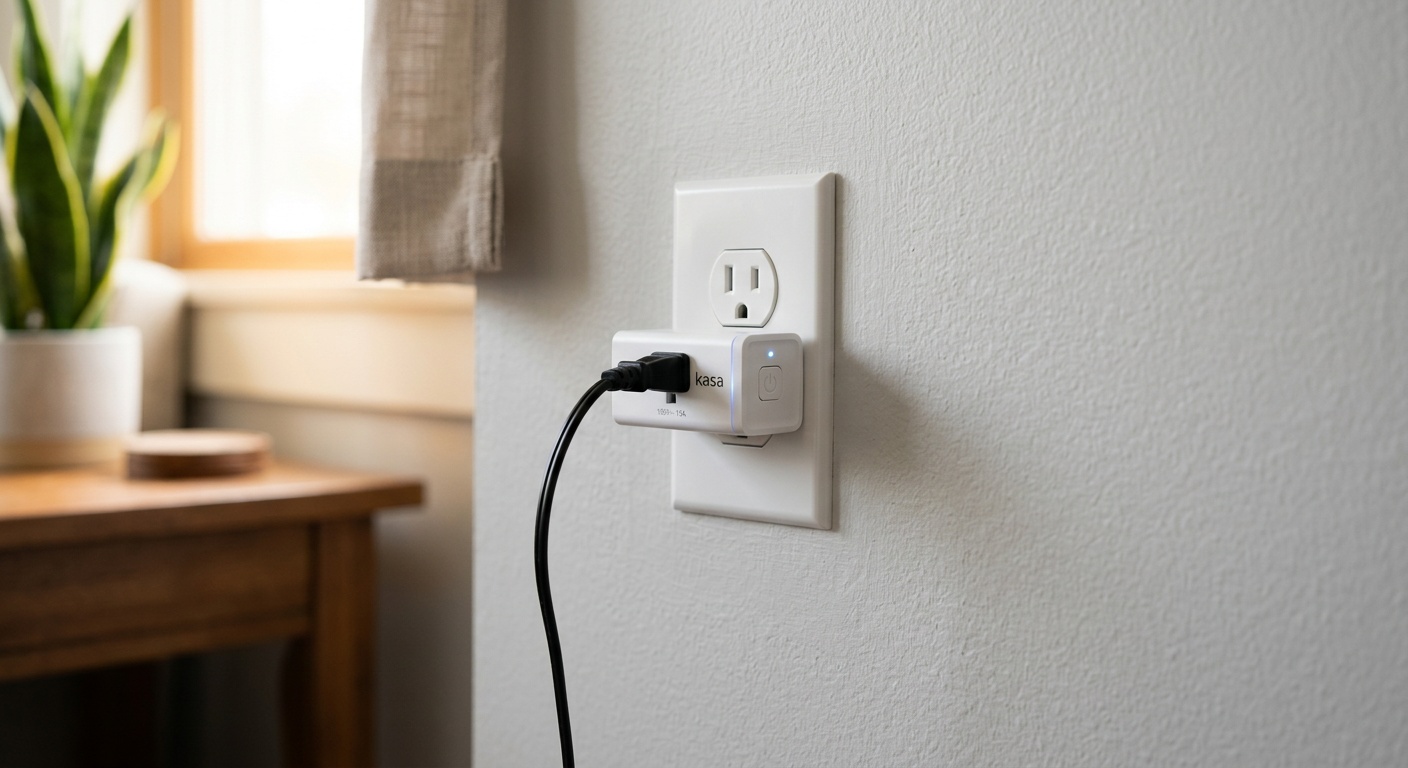
- Plug entertainment centers and home office setups into switched outlets or smart plugs you can control with your phone
- Unplug rarely-used appliances like spare refrigerators, guest room TVs, and countertop appliances
Water Heater Savings
Your water heater is quietly one of your most expensive appliances, representing about 14–18% of total home energy use. Three changes can dramatically cut this cost:
- Lower the thermostat to 120°F — the default setting of 140°F wastes significant energy and increases mineral buildup
- Install a timer on electric tank heaters so they don’t heat water during off-hours
- Consider a heat pump water heater — in 2026, these qualify for a federal tax credit of up to $2,000 and use 60–70% less energy than conventional electric models
Refrigerator Best Practices
Your fridge runs 24/7, making efficiency critical. Keep the refrigerator between 35–38°F and the freezer at 0°F — colder settings waste electricity without improving food safety. Make sure the door seals are airtight (test by closing the door on a piece of paper: if it slides out easily, replace the seal). Keep the coils clean — dusty coils reduce efficiency by up to 25%.
Lighting and Electronics
Lighting accounts for roughly 8–10% of home electricity use in 2026. While this is a smaller share than HVAC or appliances, lighting improvements are among the easiest wins with the lowest upfront cost.
If you haven’t already made the switch to LED bulbs throughout your home, 2026 is the year to finish the job. LEDs use 75% less energy than incandescent bulbs and last 15–25 times longer. The average payback period is under 6 months. A household running 30 bulbs can save approximately $120–$150 per year by switching entirely to LEDs.
Beyond the bulbs themselves:
- Install occupancy sensors in bathrooms, closets, and laundry rooms — rooms where lights are frequently left on accidentally
- Use dimmer switches in living spaces where full brightness is rarely needed
- Take advantage of natural light by keeping windows clean and using lighter window treatments during daylight hours
- Set computers and monitors to sleep mode after 5–10 minutes of inactivity
Seasonal Strategies That Actually Work
Energy management isn’t a set-it-and-forget-it exercise. Each season brings distinct opportunities and challenges. Here’s how to stay ahead of each one.
Spring: The Transition Tune-Up
Spring is your best opportunity for maintenance that pays dividends all year. Schedule an HVAC service appointment in March or April before peak cooling season — a well-maintained system runs 15–20% more efficiently. Clean or replace air filters (monthly during heavy use, quarterly otherwise). Open windows during mild days to use free natural ventilation instead of mechanical cooling.
Summer: Fighting the Heat Intelligently
Use window coverings strategically — closing blinds and curtains on south- and west-facing windows during the afternoon can reduce cooling loads by up to 30%. Plant shade trees on the west and southwest sides of your home if you’re a homeowner; mature shade trees can reduce cooling costs by 25% over the long term. Cook outdoors or use a microwave instead of the oven during peak heat — ovens add significant heat load to your home.
Fall: Preparing for Winter
Inspect weatherstripping and caulking before cold weather arrives. Have your heating system serviced and replace filters. Reverse ceiling fans to clockwise rotation to push warm air down. Stock up on draft stoppers for exterior doors and consider insulating outlets and switch plates on exterior walls with inexpensive foam gaskets.
Winter: Heating Without Overspending
Layer up before adjusting the thermostat — it sounds obvious, but every degree you lower your thermostat saves approximately 1% on your heating bill. Use your oven for baking in the evening and let residual heat benefit your kitchen. Ensure your attic hatch is properly insulated and sealed. If you have a fireplace, keep the damper closed when not in use — an open damper is like a 48-square-inch hole in your wall.
Energy Usage by Category: Where Your Money Goes
Average U.S. Home Electricity Usage by Category (2026)
Source: U.S. Energy Information Administration estimates, 2026
Appliance Efficiency Comparison: Old vs. New
| Appliance | Old Model (Annual kWh) | ENERGY STAR 2026 (Annual kWh) | Est. Annual Savings |
|---|---|---|---|
| Refrigerator (18 cu. ft.) | 800 kWh | 350 kWh | ~$76/year |
| Clothes Washer | 500 kWh | 150 kWh | ~$59/year |
| Dishwasher | 300 kWh | 180 kWh | ~$20/year |
| Central AC (3-ton unit) | 3,500 kWh | 2,100 kWh | ~$235/year |
| Electric Water Heater | 4,800 kWh | 1,700 kWh (heat pump) | ~$521/year |
Savings calculated at the 2026 national average rate of $0.168/kWh. Actual results vary by usage patterns and local rates.
Frequently Asked Questions
What is the single most impactful change I can make to lower my electric bill immediately?
Adjusting your thermostat setpoints and investing in a smart thermostat delivers the fastest and largest return for most households. Because heating and cooling represent nearly half of a typical home’s electricity use, even a 5–8°F temperature adjustment during sleeping and away hours can reduce your total bill by 8–12% with zero upfront cost. If your budget allows a one-time purchase, a smart thermostat (priced between $100–$250) typically pays for itself within 6–12 months and continues saving money for years afterward.
Is it worth switching to solar panels in 2026 to reduce my electric bill?
Solar remains an excellent long-term investment in 2026, with the federal solar Investment Tax Credit still offering a 30% credit through 2032. The average payback period for a residential solar system is now 6–9 years, down from 12+ years a decade ago, and system costs have continued to decline. That said, solar works best when you’ve already optimized your home’s efficiency — there’s no point generating solar electricity if it’s leaking out through poor insulation. Focus on efficiency improvements first, then evaluate solar based on your local utility rates, roof orientation, and available incentives.
How can renters lower their electric bills when they can’t make structural changes?
Renters have more options than they often realize. Start with behavioral and low-cost adjustments: switching to LED bulbs (you can take them when you move), using smart power strips to eliminate phantom loads, optimizing thermostat settings, and running appliances during off-peak hours. Portable solutions like window insulation film kits (under $30 at hardware stores) dramatically reduce drafts without any permanent installation. Many utilities also offer free energy audits and efficiency kits — including low-flow showerheads, weatherstripping, and outlet insulators — to renters at no cost. Collectively, these renter-friendly strategies can cut electricity use by 20–30%.
Your Year-Round Energy Savings Roadmap: Start This Week
Here’s the straight truth: you don’t need to overhaul your home or spend thousands to see a meaningful difference on your electric bill. You need a strategic sequence of moves — starting with the highest-impact, lowest-cost changes and working outward from there.
Your 5-Step Action Plan:
- This week: Download 12 months of utility usage data, adjust thermostat setpoints, and identify phantom load offenders. Cost: $0. Estimated annual savings: $80–$150.
- This month: Switch remaining incandescent or CFL bulbs to LEDs, install smart power strips in your entertainment center and home office. Cost: $40–$80. Estimated annual savings: $120–$160.
- This quarter: Weatherstrip doors and caulk window frames, lower your water heater to 120°F, schedule an HVAC service and filter change. Cost: $50–$150. Estimated annual savings: $100–$300.
- This year: Evaluate smart thermostat installation, investigate Time-of-Use rate plans with your utility, and research available tax credits for insulation or heat pump water heater upgrades. Cost: $100–$500. Estimated annual savings: $200–$600.
- Long term: Plan major appliance replacements around ENERGY STAR upgrades, assess solar viability, and consider heat pump HVAC for your next system replacement. These investments compound over 10–20 years and represent the largest lifetime savings potential.
The broader energy landscape in 2026 is pushing electricity prices upward — grid modernization costs, extreme weather events, and growing demand from EV charging and data centers are structural pressures that aren’t going away. Every efficiency improvement you make today is a hedge against tomorrow’s higher rates.
The best time to start was last year. The second-best time is right now. Which of these steps are you tackling first?