Home Electrical Upgrades With the Highest Return on Investment
Reading time: 14 minutes
You’ve probably stood in your living room, staring at an outdated breaker panel or flickering light, and wondered: Is fixing this worth the money? The short answer is yes — but only if you know which upgrades actually pay off. In 2026, with energy costs continuing their upward climb and home buyers increasingly scrutinizing electrical systems during inspections, the right electrical upgrades aren’t just about safety and convenience. They’re about smart financial strategy.
Here’s the straight talk: not every electrical project adds dollar-for-dollar value. But the ones that do can boost your home’s resale price, slash your monthly utility bills, and even qualify you for federal and state tax credits that have never been more generous. Let’s navigate this landscape together — from quick wins to transformative overhauls — so you can make decisions that genuinely move the needle on your home’s value and your wallet.
Table of Contents
- Why Electrical Upgrades Matter More Than Ever in 2026
- The Top Electrical Upgrades by ROI
- EV Charging Infrastructure: The 2026 Game-Changer
- Smart Home Electrical Systems
- Panel Upgrades and Whole-Home Rewiring
- Solar-Ready Wiring and Battery Storage
- ROI Comparison: Upgrade-by-Upgrade Breakdown
- Real-World Case Studies
- Common Challenges and How to Overcome Them
- FAQs
- Your Electrical Upgrade Roadmap: Charge Forward
Why Electrical Upgrades Matter More Than Ever in 2026
The American housing market in 2026 is more electrically demanding than at any point in history. The proliferation of electric vehicles, the widespread adoption of heat pumps to replace gas furnaces, and the explosion of smart home devices have fundamentally changed what buyers expect from a home’s electrical infrastructure. According to the National Association of Realtors’ 2025 Home Features Survey, 74% of buyers under 45 ranked updated electrical systems and EV-ready infrastructure among their top five must-haves — a figure that had jumped from 51% just three years prior.
Meanwhile, average residential electricity rates in the U.S. reached $0.18 per kWh in early 2026 (up from $0.16 in 2024), according to the U.S. Energy Information Administration. That makes energy-efficiency upgrades even more financially compelling. Every kilowatt-hour you don’t consume is money that stays in your pocket — month after month, year after year.
The Inflation Reduction Act’s extended provisions, still active through 2026 and into 2027, continue to offer homeowners significant tax credits for qualifying electrical upgrades, including panel upgrades tied to energy efficiency improvements and EV charging installations. This policy environment makes 2026 one of the most financially advantageous times in decades to invest in your home’s electrical system.
“Homeowners who strategically upgrade their electrical systems today aren’t just improving their quality of life — they’re positioning their properties as premium assets in a market that increasingly values energy independence and EV readiness.” — Sarah Whitman, Certified Energy Advisor, National Energy Management Institute, 2025
The Top Electrical Upgrades by ROI
Before spending a dollar, it helps to understand which upgrades generate the strongest returns. ROI in this context means a combination of three things: direct energy savings, home value appreciation, and tax incentive recovery. Some upgrades are stronger in one area than others, which is why knowing your primary goal matters.
Energy Efficiency vs. Resale Value: A Crucial Distinction
Not all ROI is created equal. A whole-home LED lighting conversion, for example, delivers exceptional ongoing energy savings but contributes modestly to resale value because buyers expect it as a baseline in 2026. Conversely, a Level 2 EV charger installation doesn’t necessarily slash your monthly bill dramatically, but it can add $4,000 to $8,000 to your home’s appraised value in markets with high EV adoption rates, according to a 2025 Zillow research brief.
The smartest homeowners layer these upgrades: prioritizing those that deliver both immediate savings and long-term value appreciation. Here’s a quick orientation:
- Immediate savings leaders: LED lighting conversion, smart thermostats with load management, solar-ready wiring
- Resale value leaders: EV charging stations, panel upgrades to 200A+, battery storage systems
- Tax credit maximizers: Solar-ready infrastructure, EV charger installation (Form 8911 credit), energy storage systems
LED and Smart Lighting: The Low-Hanging Fruit
If you haven’t already made a full transition to LED lighting throughout your home, stop reading this article and do that first. It’s the single highest-ROI electrical project with the fastest payback period. The average American home has 40-50 light sockets. Replacing all incandescent and CFL bulbs with LED equivalents costs roughly $150 to $300 total and reduces lighting energy consumption by 60-75%. At current 2026 electricity rates, most homeowners recover this cost within 8-14 months and enjoy savings of $200-$400 annually thereafter.
Step it up with smart lighting controls — dimmers, occupancy sensors, and automated scheduling — and you add another layer of savings while simultaneously boosting your home’s appeal to tech-savvy buyers. A full smart lighting system for a 2,000 sq ft home typically runs $600-$1,200 installed, with payback periods of 2-4 years and meaningful resale appeal.
EV Charging Infrastructure: The 2026 Game-Changer
Here’s a statistic that should get your attention: as of January 2026, electric vehicles account for 28% of all new car sales in the United States, according to the Edison Electric Institute. That number is expected to surpass 40% by 2028. If you’re selling a home in the next five years, EV charging capability isn’t a luxury amenity — it’s a baseline expectation for a growing majority of buyers.
A Level 2 EV charger installation (240V, 48-amp circuit) costs between $800 and $2,200 installed depending on your panel’s current capacity and the distance from the panel to your garage. In return, you can expect:
- A 3-5% increase in home sale price in high-EV-adoption markets (California, Colorado, Washington, New York)
- A federal tax credit of up to 30% of installation costs (up to $1,000) under the Alternative Fuel Vehicle Refueling Property Credit, extended through 2026
- Faster home sale timelines — homes with EV charging in EV-heavy markets sold an average of 11 days faster in 2025, per NAR data
Pro Tip: Even if you don’t own an EV today, running a conduit and installing a 240V outlet in your garage — without the charger hardware itself — costs as little as $300-$600 and makes the future installation dramatically cheaper. This “EV-ready” designation alone has measurable marketing value when listing your home.
Smart Home Electrical Systems
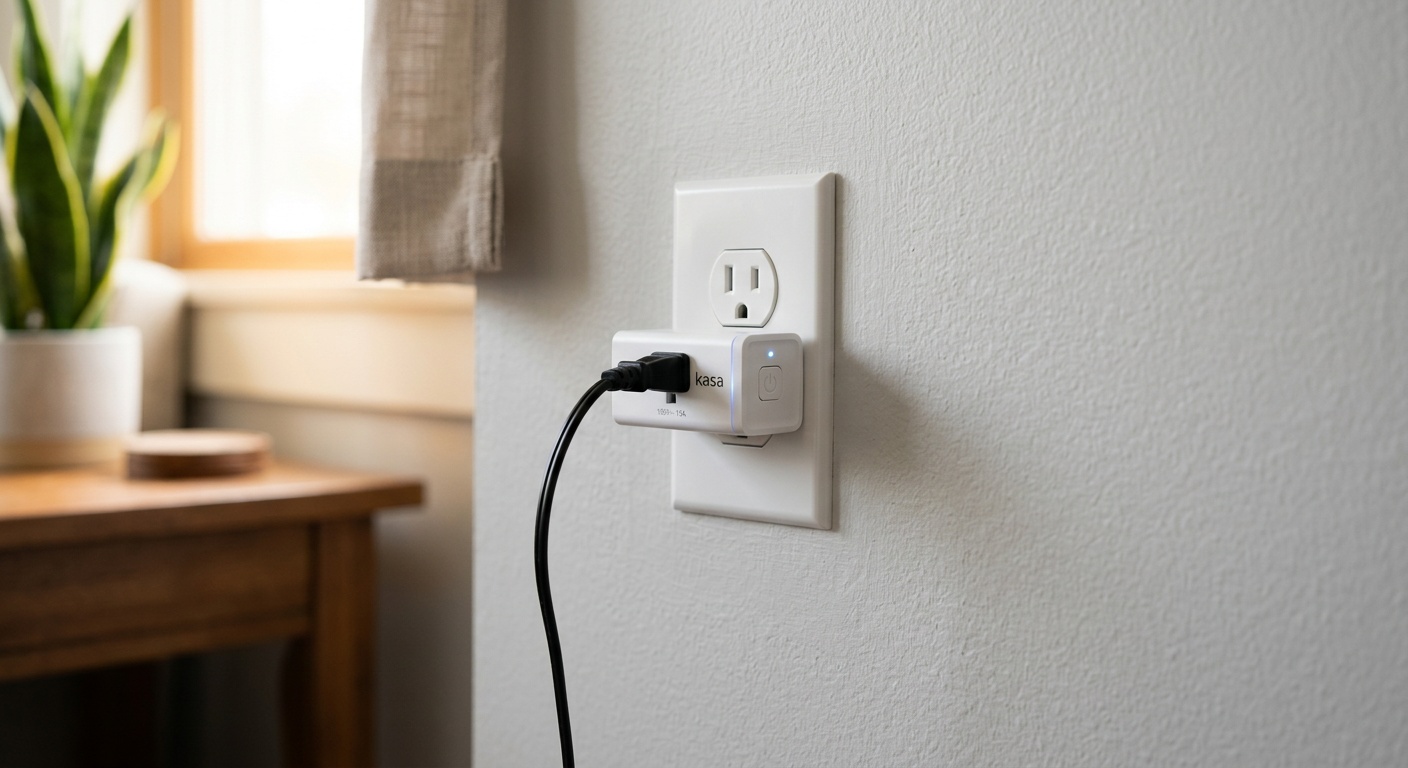
The smart home market isn’t new, but in 2026 it’s reached genuine maturity. Buyers no longer see smart thermostats and connected switches as novelty features — they see outdated manual systems as red flags. The strategic question isn’t whether to invest in smart home electrical, but which components deliver the best combination of daily convenience, energy savings, and resale appeal.
Smart Panels: The Nervous System of the Modern Home
The most transformative smart electrical upgrade of the mid-2020s has been the emergence of smart electrical panels — products like the Span Smart Panel and Leviton’s Load Center Pro, which give homeowners granular, real-time visibility into circuit-by-circuit energy consumption. In 2026, smart panel installations have become significantly more mainstream, with average installation costs dropping to $3,500-$5,500 (from $5,000-$7,000 in 2023).
What does a smart panel actually deliver in ROI terms? A 2025 study by the Rocky Mountain Institute found that homeowners with smart panels reduced their overall energy consumption by an average of 14-18% through behavioral feedback alone — not through any automatic optimization, just by seeing what’s consuming energy. At current electricity rates and the average American home’s usage profile, that translates to $280-$450 in annual savings.
Beyond savings, smart panels are increasingly positioned as premium features in home listings. Real estate agents in tech-forward markets like Austin, Denver, and Seattle reported in a 2025 survey that smart panel installations contributed an estimated $5,000-$9,000 to perceived home value — often exceeding the installation cost outright.
Smart Thermostats and HVAC Load Management
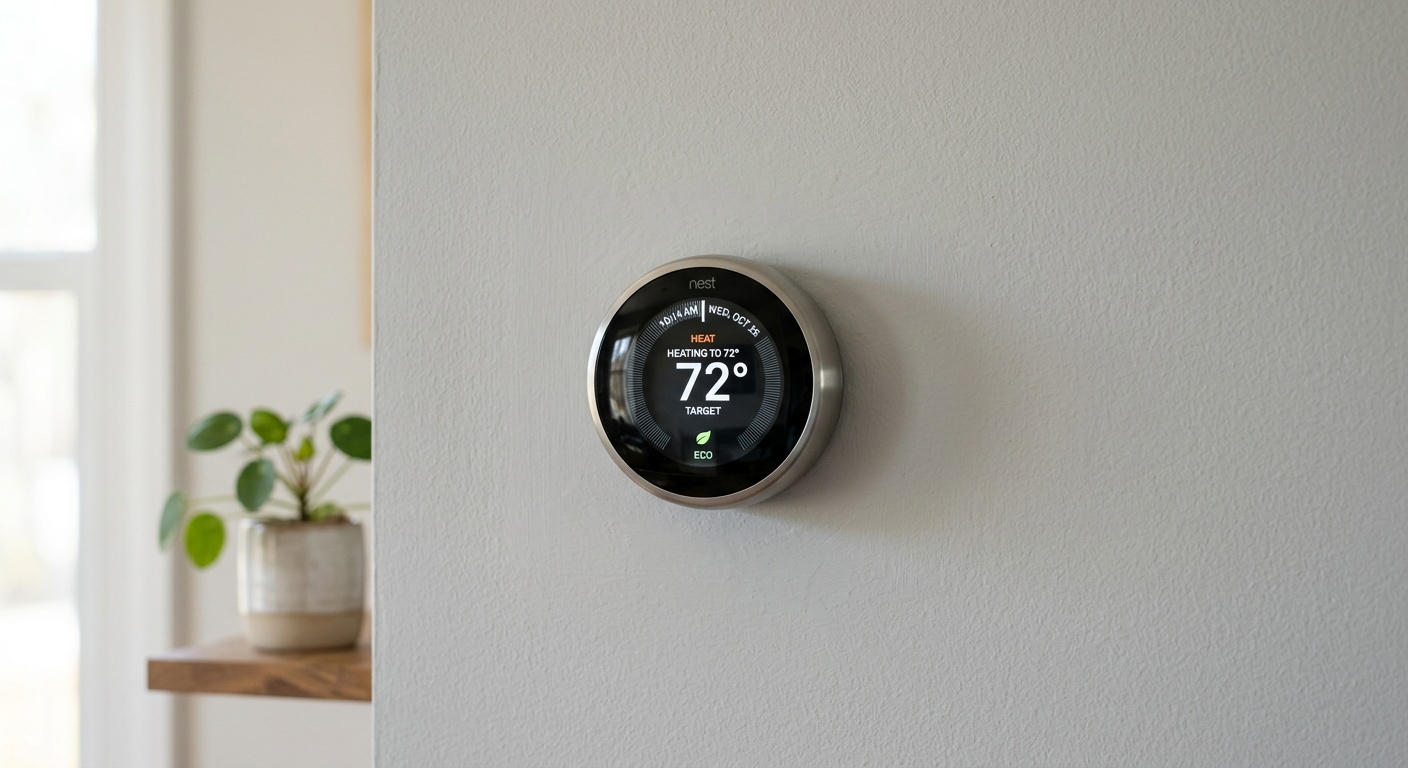
Smart thermostats — particularly models with multi-zone control and grid-responsive load management — remain one of the most cost-effective smart electrical upgrades. The latest generation of thermostats in 2026 can participate in utility demand-response programs, automatically adjusting temperature pre-conditioning to avoid peak pricing periods. In states with time-of-use electricity pricing (now active in 28 states as of 2026), this feature alone can save $120-$250 annually.
Installation cost: $150-$400 per unit. Payback period: typically 12-24 months. Resale contribution: modest but consistently positive, particularly when bundled with other smart home features.
Panel Upgrades and Whole-Home Rewiring
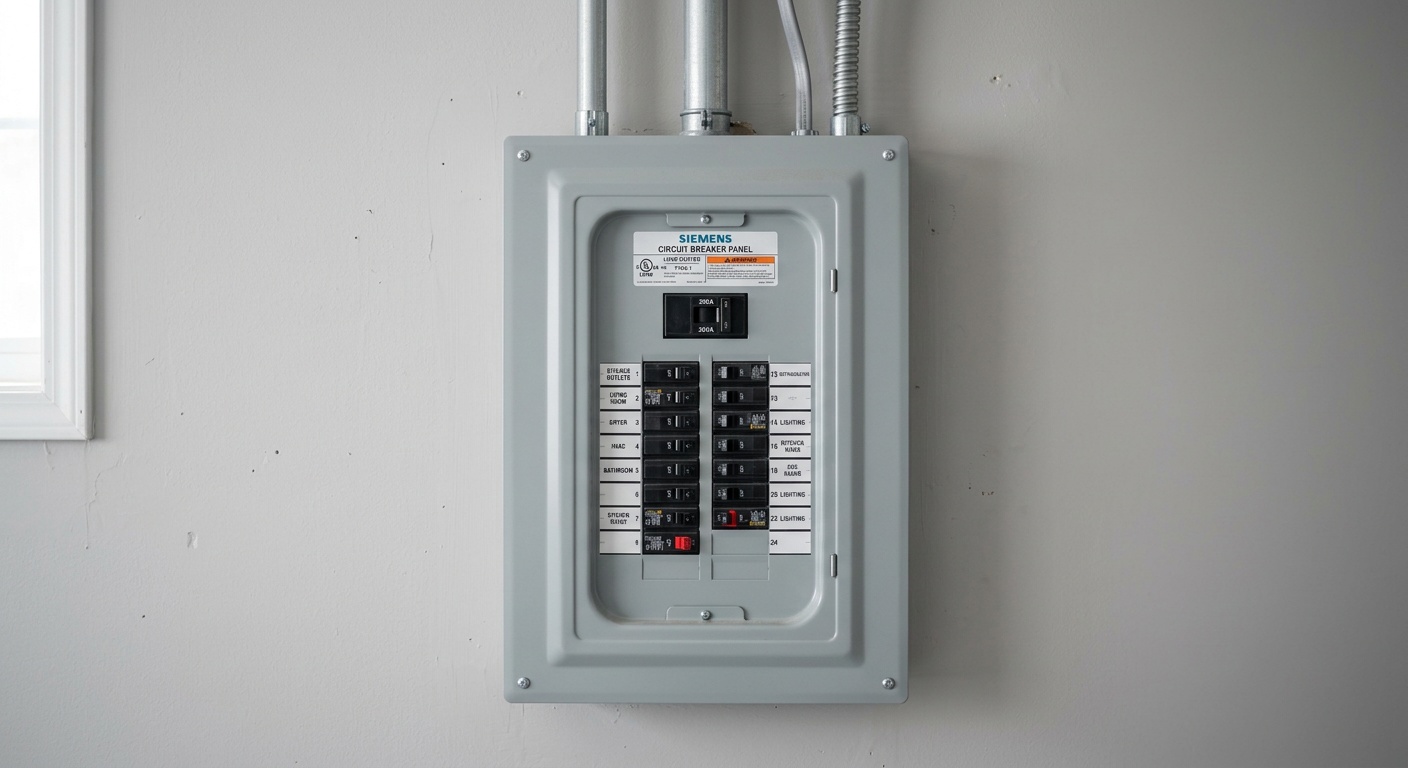
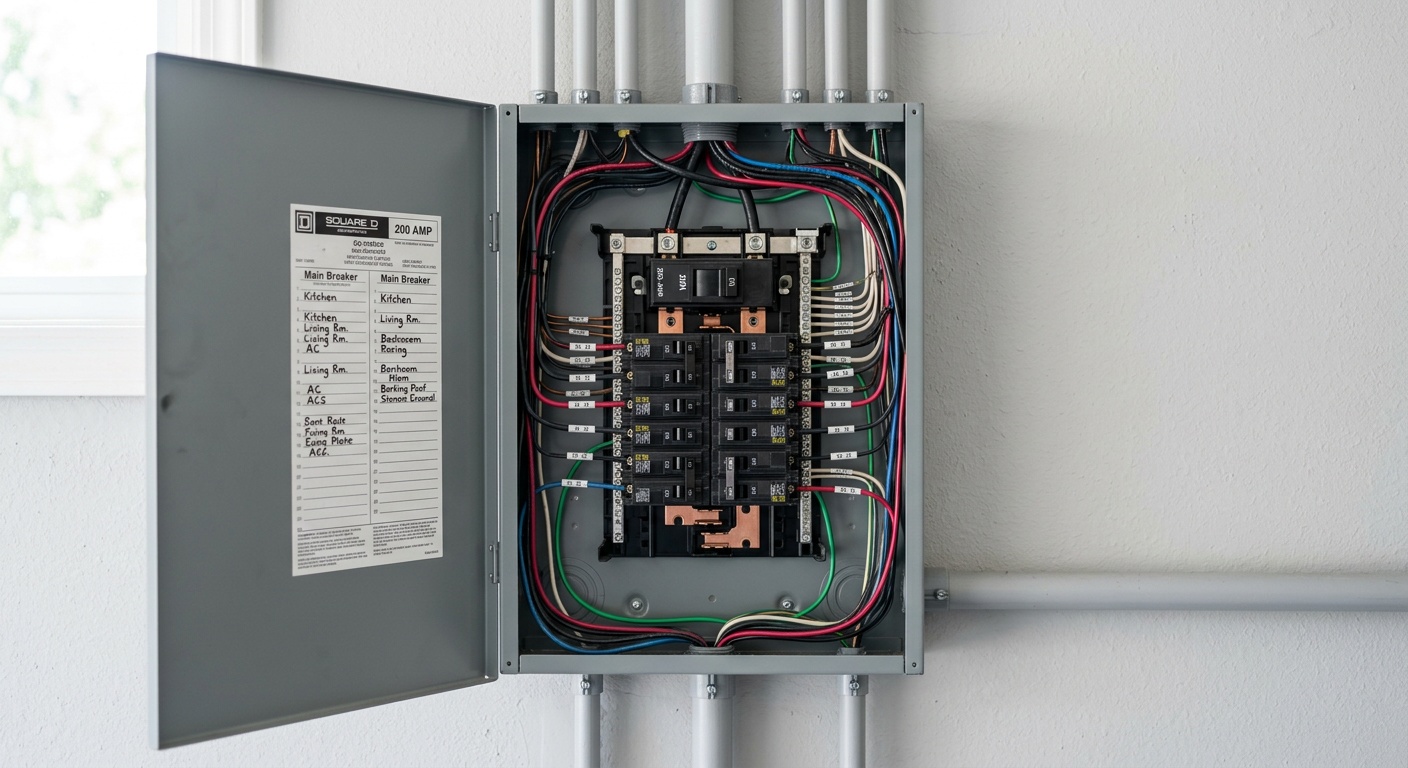
If your home has a 100-amp panel — or worse, a Federal Pacific or Zinsco panel — you’re sitting on a liability that will show up in every buyer’s inspection report. In 2026, a 100-amp panel is genuinely insufficient for most modern homes that include EV charging, electric cooking, a heat pump HVAC system, and the general proliferation of high-draw electronics.
A 200-amp panel upgrade costs $1,500-$3,500 depending on your location and the complexity of the work. A 400-amp upgrade (now recommended for new builds and homes planning EV charging plus heat pump plus solar integration) runs $3,000-$6,000. These upgrades deliver ROI in multiple ways:
- Insurance savings: Many insurers offer 5-15% premium discounts for homes with updated electrical panels
- Inspection pass rate: Homes with modern panels are dramatically less likely to trigger repair contingencies during sales
- Prerequisite value: A panel upgrade unlocks the ability to add EV charging, solar, and battery storage — multiplying the ROI potential of those downstream upgrades
Whole-home rewiring is a larger investment — typically $8,000-$20,000 for a 2,000-2,500 sq ft home — and is generally only justified if your home has aluminum wiring (a significant fire risk) or knob-and-tube wiring that may be un-insurable. However, in these situations, it’s not optional — it’s essential, and it removes what would otherwise be a near-dealbreaker in any home sale scenario.
Solar-Ready Wiring and Battery Storage
You don’t have to install solar panels to benefit from solar-readiness. Running the conduit, installing a load center sub-panel, and pre-wiring your home for a future solar installation costs $500-$1,500 and can save $2,000-$4,000 when you eventually make the full solar commitment. It’s one of the highest-leverage preparatory investments available, particularly if you’re planning to sell within 3-7 years as the solar adoption curve continues upward.
For those ready for battery storage systems like the Tesla Powerwall 3 or Enphase IQ Battery 5P (both widely installed in 2026), the value proposition is increasingly compelling. A home battery system costs $10,000-$18,000 installed and delivers ROI through backup power capability (a genuine premium feature in markets prone to grid outages), participation in virtual power plant programs (earning $500-$1,200 annually in some utility programs), and resale value that Redfin analysts estimated added 3-5% to home values in 2025 in energy-conscious markets.
ROI Comparison: Upgrade-by-Upgrade Breakdown
Here’s a consolidated look at the major upgrades, their typical costs, estimated ROI, and payback periods in 2026:
| Upgrade | Typical Cost (2026) | Annual Savings / Value Added | Payback Period | ROI Rating |
|---|---|---|---|---|
| Full LED Lighting Conversion | $150 – $400 | $200 – $400/yr savings | 8 – 18 months | ⭐⭐⭐⭐⭐ |
| Level 2 EV Charger | $800 – $2,200 | $4,000 – $8,000 value added | Immediate (via resale) | ⭐⭐⭐⭐⭐ |
| 200A Panel Upgrade | $1,500 – $3,500 | Enables further upgrades + insurance savings | 3 – 6 years | ⭐⭐⭐⭐ |
| Smart Panel Installation | $3,500 – $5,500 | $280 – $450/yr + $5K–$9K value | 5 – 10 years | ⭐⭐⭐⭐ |
| Battery Storage System | $10,000 – $18,000 | $500–$1,200/yr + 3–5% value | 10 – 15 years | ⭐⭐⭐ |
ROI Visualization: Value-to-Cost Ratio by Upgrade
Value-to-Cost Ratio Index (higher = better return relative to investment)
Real-World Case Studies
Case Study 1: The Denver Duplex Transformation
In the fall of 2025, Marcus and Jenna Okafor purchased a 1978 duplex in Denver’s Highlands neighborhood with a clear strategy: upgrade the electrical system deliberately, then sell one unit and rent the other. Their home inspector flagged a 100-amp panel, zero GFCI outlets in kitchens and bathrooms, and original aluminum branch circuit wiring in portions of the home.
Over four months, the Okafors invested $14,200 in targeted electrical upgrades: a 200-amp panel upgrade ($2,800), partial rewiring of aluminum circuits ($4,500), GFCI and AFCI breaker installation throughout ($1,200), a Level 2 EV charger in the shared garage ($1,400), and a full LED lighting conversion with smart switches ($1,300). They also added solar-ready conduit during the panel upgrade for an additional $600.
When they listed one unit for sale in early 2026, their real estate agent reported that the updated electrical system — particularly the EV charger and modern panel — was specifically mentioned positively in 7 of 11 showing feedback forms. The unit sold for $31,000 above their baseline estimate, representing a more than 2:1 return on their electrical investment alone.
Case Study 2: The Phoenix Energy Cost Cutter
Renata Solis, a retired teacher in suburban Phoenix, wasn’t planning to sell her 2,100 sq ft home. Her goal was purely financial: reduce her electricity bills, which had climbed to an eye-watering $380/month average in the summer months due to Arizona’s brutal heat and her older HVAC system’s energy demands.
Renata’s electrician recommended a focused approach. Rather than a full smart panel, she opted for a smart sub-panel upgrade at $1,800 that allowed circuit-level monitoring. This revealed that her pool pump alone was consuming 22% of her total electricity. A variable-speed pump controller installation ($950) and a smart thermostat with time-of-use programming ($280) were the next steps.
Result: Renata’s average monthly bill dropped from $380 to $241 — a reduction of $139/month, or $1,668 annually. Her total investment of $3,030 reached full payback in 21 months. By mid-2026, she had already pocketed more than $2,800 in cumulative savings.
Common Challenges and How to Overcome Them
Challenge 1: Permit Complexity and Contractor Availability
In many municipalities, electrical upgrades require permits, inspections, and licensed electricians — and in 2026, electrician shortages in many metro areas mean wait times of 4-10 weeks for non-emergency projects. This is genuinely frustrating when you’re trying to time an upgrade ahead of a home sale.
Solution: Plan at least 90 days ahead for any significant electrical project. Get 3 quotes minimum, and ask each contractor specifically about their permit-pulling timeline. Some contractors now offer permit-expediting services for an additional fee ($100-$300) that can shorten approval timelines significantly. Also check your local utility’s rebate programs — many utilities in 2026 offer rebates for panel upgrades and EV charger installations that can offset 10-25% of project costs.
Challenge 2: Budget Sequencing — What to Do First
Many homeowners feel paralyzed when confronting a list of needed electrical upgrades. Should you do the panel first? The EV charger? The smart home system? The wrong sequencing can mean paying twice for work that could have been consolidated.
Solution: Always start with the panel if it’s undersized or outdated — it’s the foundation everything else builds on. A competent electrician can often run the EV charger circuit and solar conduit simultaneously with a panel upgrade, saving on labor costs significantly. Bundle related work whenever possible: one mobilization, one permit, one inspection visit.
Challenge 3: Evaluating ROI in Your Specific Market
National statistics on electrical upgrade ROI are useful benchmarks, but your specific market matters enormously. EV charger value additions are dramatically higher in Portland, Oregon than in a rural Midwest town. Battery storage systems are valued more in California (with its frequent grid events) than in areas with very reliable utility service.
Solution: Before committing to a major electrical upgrade primarily for resale value, consult a local real estate agent who specializes in your neighborhood. Ask them directly: “In the current 2026 market here, does an EV charger / smart panel / battery system make a material difference in price or sales timeline?” This 30-minute conversation can save you thousands in misallocated investment.
Frequently Asked Questions
Does upgrading my electrical panel actually increase my home’s resale value?
Yes, but perhaps not in the direct, dollar-for-dollar way you might expect. A panel upgrade from 100A to 200A or 400A rarely appears as a line item on an appraisal. However, it removes a major inspection contingency that can kill deals or force price reductions — often of $5,000-$15,000 in negotiated concessions. In that sense, a $2,500 panel upgrade can prevent a $10,000 price concession, making its effective ROI exceptional. Additionally, an updated panel is a prerequisite for adding EV charging and solar, which do generate direct value increases in most 2026 markets.
Are there any electrical upgrades I should avoid for ROI purposes?
Whole-home audio/visual wiring — the in-wall speaker and multi-room AV systems that were trendy in the early 2010s — has essentially zero resale value in 2026, as wireless solutions have made wired AV infrastructure obsolete for most buyers. Similarly, elaborate custom lighting control systems (the $15,000+ Lutron Homeworks-style installations) rarely recover their costs in resale unless you’re in the luxury market above $1.5M. For most homeowners, the focus should remain on infrastructure upgrades (panels, circuits, EV charging) and universally valued smart features (thermostats, basic smart lighting) rather than highly personalized systems.
Can I claim federal tax credits for home electrical upgrades in 2026?
Yes, several federal tax credits remain available in 2026 under the extended Inflation Reduction Act provisions. The most relevant include: the Alternative Fuel Vehicle Refueling Property Credit (Form 8911) covering up to 30% of EV charger installation costs, capped at $1,000 for residential installations; the Residential Clean Energy Credit covering battery storage systems at 30% of installation costs with no cap; and the Energy Efficient Home Improvement Credit (Form 5695) covering electrical panel upgrades that are specifically tied to qualified energy efficiency improvements, up to $600. Always consult a tax professional to confirm eligibility for your specific situation, as income limits and qualifying criteria apply to some credits.
Your Electrical Upgrade Roadmap: Charge Forward
We’re living through a pivotal moment in residential energy — a genuine inflection point where the electrical systems in our homes are becoming central to both our financial well-being and our environmental impact. The homeowners who recognize this shift and act strategically in 2026 will find themselves on the right side of market trends for the next decade.
Here’s your action-oriented roadmap to maximize electrical upgrade ROI:
- Audit your current system first. Before spending anything, hire a licensed electrician for a comprehensive panel and wiring assessment ($150-$300). Understand what you have before deciding what you need. This prevents expensive surprises mid-project.
- Prioritize infrastructure over gadgets. If your panel is undersized or outdated, that’s your first investment. Everything else builds on this foundation. Do the boring, invisible work first — it unlocks everything else.
- Bundle upgrades intelligently. When the electrician is already on-site for a panel upgrade, add the EV charging circuit and solar conduit in the same visit. Labor consolidation can save $500-$1,500 on what would otherwise be separate mobilizations.
- Capture every available incentive. Check your utility’s rebate portal, your state energy office website, and consult a tax professional about federal credits. In many cases, incentives cover 25-40% of project costs — money that’s left on the table by homeowners who don’t look for it.
- Document everything for resale. Keep receipts, permits, and inspection sign-offs in a dedicated home file. A well-documented electrical upgrade history is a powerful selling tool that demonstrates transparency and adds credibility to your property’s premium pricing.
As the grid gets smarter and our homes consume more electricity than ever before, the question isn’t whether to invest in your electrical infrastructure — it’s whether you’ll do it proactively and strategically, or reactively and expensively.
Here’s the thought-provoking question to leave you with: Five years from now, when EV adoption has crossed 50% of new car sales and whole-home electrification is the norm rather than the exception, will your home’s electrical system be an asset that commands a premium — or a liability that drags down its value? The upgrades you make today are the answer to that question.
Your electrical system is no longer just a utility — it’s a competitive advantage. Start treating it like one.